

UNESCO and Thai PBS to expand efforts to help Thai media prepare for disasters
The collaboration also aims to help ensure reliable information before, during and after disasters.
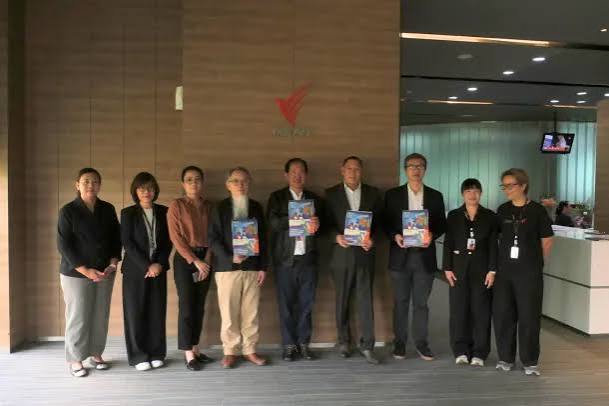
The UNESCO Regional Office in Bangkok (UNESCO Bangkok) and the Thai Public Broadcasting Service (Thai PBS) have agreed to strengthen disaster preparedness among media organizations in Thailand, following the completion of the Thai translation of the Model Disaster Preparedness and Response Plan for Media Institutions.
Developed in line with the Sendai Framework for Disaster Risk Reduction and the UN Plan of Action on Disaster Risk Reduction for Resilience, the Model Plan was launched in November 2025. It provides a structured framework and practical recommendations to help media organizations, regardless of size, develop or strengthen their own disaster preparedness and response plans.
A global survey conducted in 2024 with some 60 media institutions found that 40 per cent of media outlets did not have a disaster response plan, while 55 per cent had not allocated financial or human resources for emergency preparedness. Thailand is highly exposed to a range of disasters, including floods, droughts and pollution, highlighting the importance of preparedness among media organizations.
The Model Plan is now available in eight languages, including English and Thai. Thai PBS has made 300 physical copies of the Model Plan in the Thai language available for distribution to media and professional organizations, universities as well as government agencies related to disaster preparedness.
’The Model Plan is designed to empower every media institution, large or small, public or private, to develop or improve its own disaster preparedness and response plan. That covers Thailand’s whole range, from Thai PBS to digital TV, online outlets and community radio,’ said Jo Hironaka, UNESCO Bangkok Chief of Communication and Information.
UNESCO Bangkok also proposed follow-up activities, including a training-of-trainers session that would help media organizations, particularly those operating in underserved communities, strengthen their own disaster preparedness and response plans.
The collaboration also aligns with UNESCO and Thai PBS efforts to strengthen information integrity and combat misinformation during emergencies, when communities need access to timely, accurate and verified information.
Thai PBS Director-General Wanchai Tantivitayapitak said, ’Many journalists work in disaster-prone areas, while media organizations have varying levels of preparedness. Strengthening preparedness systems and creating safer working environments are therefore essential to protect journalists, media workers and smaller media organizations within the broader media ecosystem.’
Thai PBS has also expanded its own disaster communication capacity through the establishment of its Disaster Communication Centre, which adopts a whole-of-cycle approach to disaster communication, covering public preparedness, fact-checking, public access to verified information and dissemination of emergency information. The centre also integrates data from government agencies related to disasters, covering information such as PM2.5 air pollution levels, river levels and earthquakes.
The disaster preparedness collaboration builds on Thai PBS’s wider engagement in climate change and disaster risk reduction. Through a UNESCO-sponsored regional transboundary media collaboration initiative in partnership with the Asia-Pacific Broadcasting Union, Thai PBS has worked with Philippine-based ABS-CBN to produce media products on El Niño, including infographics, social media videos and interview series.
( Press Release Image: https://photos.webwire.com/prmedia/6/364736/364736-1.jpg )
WebWireID364736
This news content was configured by WebWire editorial staff. Linking is permitted.
News Release Distribution and Press Release Distribution Services Provided by WebWire.