

COP31 runs into overtime and fails to meet the moment for a world at 1.5°C
An unfortunate outcome: climate talks end with no progress on phasing out fossil fuels
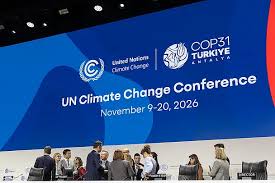
COP31 ended this Sunday, two days behind schedule, without the rapid emissions cuts the science demands, says WWF. The talks overran after a disagreement over whether fossil fuels would be mentioned at all.
In a climate crisis, every step counts, and COP31 sadly underdelivered. It was meant to consolidate a clear shift from negotiation to implementation of climate action, and it did not. The COP30 Presidency Roadmaps on Fossil Fuels and Forests were not even recognised or welcomed. There was a dangerous emphasis on carbon capture technologies, which are no substitute for cutting emissions.
The COP31 Presidency’s proposed cover decision showed minor progress on limiting a 1.5°C overshoot, recognising the role of science and the IPCC in the UNFCCC process. A stronger focus on the ocean was also positive, and this work should not be lost, but glaring gaps remained in transitioning away from fossil fuels, strengthening resilience and getting more finance to developing countries.
Due to many objections over the lack of ambition raised by a significant group of developing and developed countries, the text was rejected. WWF supports the brave move by those parties in light of a weak text.
With a super El Niño and rising climate impacts, the lack of progress on adaptation finance is regrettable and will have real-world consequences for the lives and livelihoods of the planet’s most vulnerable communities and fragile ecosystems.
In sharp contrast, engagement across all sectors of society in the Global Action Agenda at COP31 showed that solutions exist and that momentum from communities, cities and businesses is real despite what happened in the negotiating rooms. The shortfall in Antalya is a real setback, but it has not stopped climate action, and it will not.
Manuel Pulgar-Vidal, WWF Global Climate and Energy Lead, COP20 President, said: “COP31 left too much undone. In a time of multiple crises, governments failed in their responsibilities. Too many once again shied away from the toughest decisions, including how to turn their commitment to transition away from fossil fuels into real action. The climate will not wait for governments to find their courage.
“A dialogue on strengthening the UNFCCC, which is growing more complex, would have been welcome since multilateralism remains our best chance of solving this global challenge.
“But overall, the outcome is disappointing, though we are not defeated. People living with the consequences of a changing climate deserve real support, not empty promises. We will keep pushing, alongside the communities, non-state actors, sectors and countries already delivering, until commitments shield people, places and ecosystems on the front line of the climate crisis.”
Fernanda de Carvalho, WWF Head of Policy for Climate and Energy, said: “At the first COP held in a world expected to overshoot 1.5°C, consensus could not be achieved on fossil fuels, the primary driver of climate change, in the cover text. Instead, some countries tried to include costly technologies that remain unproven at scale. This sends very wrong signals as impacts intensify. There is no easy fix for a crisis this severe. You cannot solve a problem you refuse to name. You cannot ignore a legal obligation that the International Court of Justice clarified. The world needs credible pathways to limit the overshoot and bring temperatures back down, and every one of them requires phasing out fossil fuels.
“The draft text even had some good points such as recognising the science, backing the IPCC’s contribution to the next Global Stocktake and most importantly underlined the role of oceans – we hope this work can somehow be preserved. But since COP28, countries have been urged to implement, and the “what” is very clear. Still, they refuse to address the actions with the greatest impact. Recognising the science also means acting on it.”
Durrel Halleson, WWF Africa Head of Policy and Partnerships, said: “For Africa, COP31 was meant to turn climate commitments into action, deliver promised finance and support and put vulnerable communities at the centre of climate decisions. Its failure to meet these expectations carries serious consequences for people’s lives, livelihoods and futures. As the world turns towards COP32 on African soil, Africa needs delivery, not declarations; implementation, not intentions; and climate justice measured by the lives and livelihoods it protects.”
ENDS
( Press Release Image: https://photos.webwire.com/prmedia/6/364585/364585-1.jpg )
WebWireID364585
This news content was configured by WebWire editorial staff. Linking is permitted.
News Release Distribution and Press Release Distribution Services Provided by WebWire.