

Why Europe needs a new generation of multi-duty locomotives
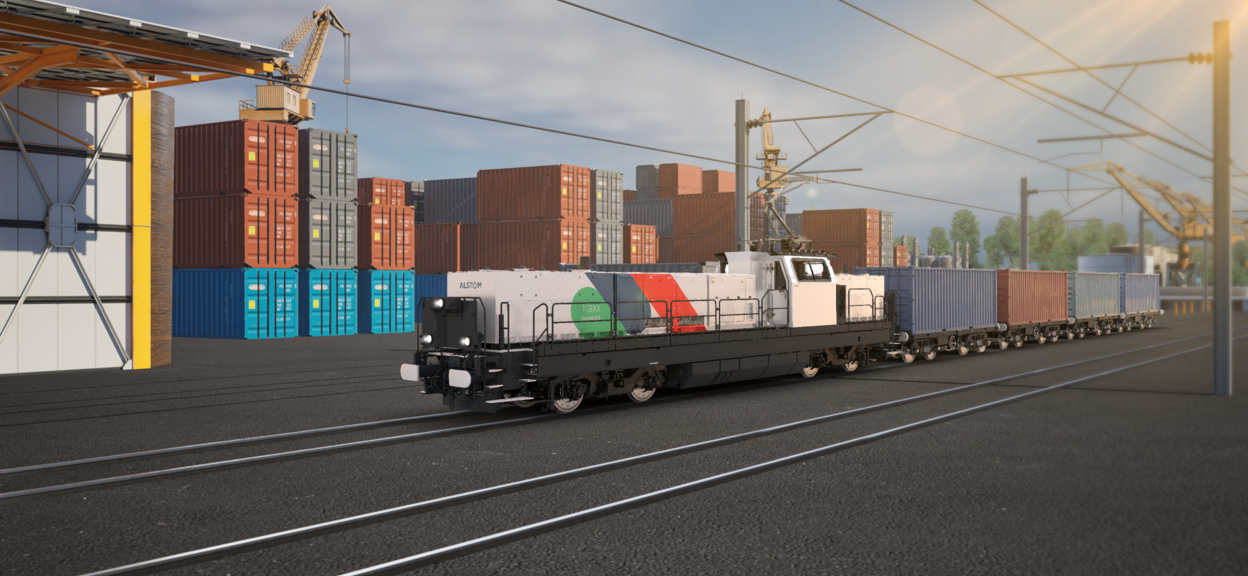
With ageing fleets and decarbonisation high on the agenda, rail operators are looking for more flexible locomotive solutions. Alstom’s new Traxx Shunter™ platform, which has secured its first frame contract with Northrail, aims to meet that challenge. Frank Schleier, Vice President Locomotives at Alstom, discusses what sets the platform apart and why it matters for operators.Many rail operators already have shunting locomotives. Why should they see a need for a completely new platform?
Alongside the databases and studies, we spoke to many operators and owners of locomotives used for shunting, track works and regional distribution to understand what they will need in the future. What we found is that these locomotives are almost 40 years old on average, which means high fuel and maintenance costs, as well as frequent obsolescence challenges.
Plus, many of these locomotives are owned by public entities with clear decarbonisation strategies. And upcoming upgrades on signalling and train-to-wayside communication technologies requiring costly investment. These engines face increasing pressure to be replaced. We expect a high number of locomotives to be renewed over the next 10 years.
Given the lifetime expectation of such locomotives, we decided to not just build them state-of-the-art, but to prepare them for adaptation to new technologies being introduced over the lifetime. The platform approach also means a design that can be adapted and better manage potential obsolescence issues.
We started our thinking from the point of view of reducing CO 2 emissions. This means that we want to reduce the use of diesel as much as possible. That is why we provide the option of electric power in addition so that when the locomotive is running on the main line it can pick up power from the catenary, and only use diesel when it needs to.
Having this option means the locomotive can perform a wider range of tasks, beyond traditional shunting operations. Thanks to high power under catenary, ETCS signalling compatibility and mainline approval it can handle last-mile operations, regional freight distribution and infrastructure trains which traditionally required both a shunter and a line locomotive, while cutting costs for operators.
We began by looking at the different energy sources we could use and drawing on our experience from the Traxx mainline platform. One of the key questions was: could we take a modular approach so that we can switch out the diesel part and replace it with battery technology? Our first framework contract with Northrail is for an electric-diesel version of the new shunter, but the customer will have the possibility to change the configuration in the future.
This modularity, and our ability to change elements without redesigning the locomotive, future-proofs it and makes it attractive to lessors and operators. Some operators may also want to use the engine for construction work, for example transporting materials and machinery to worksites. And since the locomotive can run at 120 km/h, it can also be used for certain mainline freight and passenger operations.
If a lessor leases a model for five years, when they get the engine back, their next customer might have a different operating profile, but our product will still fit.
Northrail is one of the biggest lessors of shunting locomotives in Europe, so they understand the market and are a reliable partner for us. They see the need for this type of locomotive and that’s why they signed a frame contract. The first call-off will be the electric-diesel version for the German market, but we both think long term and discuss other configurations. They like the flexibility from us, and they have also guided us in which direction to move. Northrail has also been the first lessor of our Traxx Universal mainline locomotive, which was a good experience for both companies.
In a nutshell, how will operators and lessors benefit from Traxx Shunter?Total cost of ownership is a big factor. The cost over the lifespan of more than 30 years is roughly a split into thirds. The first third is the initial price tag, the next third is operation and maintenance and a final third is energy costs. We are reducing the energy and diesel costs by using more efficient diesel engines and the electric catenary connection. We are also minimising maintenance costs, by using two smaller diesel engines instead of one, which reduces the number of maintenance interventions needed. This creates clear benefits for leasing companies, which they can pass on to their customers. Then we offer modularity over time. So, for instance, if they decide, in ten years’ time, to remove the diesel engines of the locomotive and use battery power, we can do that. Also, because we are using our own signalling technology, which can eventually cover the whole of Europe, we have the flexibility to adapt our locomotive for different markets, which lessors appreciate.
( Press Release Image: https://photos.webwire.com/prmedia/6/364481/364481-1.png )
WebWireID364481
This news content was configured by WebWire editorial staff. Linking is permitted.
News Release Distribution and Press Release Distribution Services Provided by WebWire.