

WWF: COP31 week one has advanced a few steps, but governments must go further and faster
Week two needs to close the ambition gap, deliver credible finance and put nature and people at the heart of climate action
COP31 ends its first week with signals that parties recognise the risks of a 1.5°C overshoot and the need to accelerate climate action now. However, key issues remain open, including finance, adaptation and the future of the Mitigation Work Programme, and week two must turn those signals into concrete outcomes.
Manuel Pulgar-Vidal, WWF Global Climate and Energy Lead and COP20 President, said: “Week one has shown that governments understand what is at stake: the 1.5°C overshoot, the pace of the energy transition and the role of nature are all on the table, and electrification is emerging as a leading theme. But understanding is not delivery. Finance for developing countries is still lagging, and any electrification pledge must be powered by renewables to be credible. The sense of commitment, solidarity and collective spirit, which I believe is essential for a successful outcome at COP31, is not yet clear. Ministers arriving this week should take the spirit of negotiations to move us from decision to real action. We cannot do with less.”
The talks on a COP31 cover decision, which brings together the COP’s key political outcomes, have already brought the big questions to the table. One of them is how to respond to a temporary overshoot of 1.5°C. WWF is clear on this: it must be through rapid, deep and sustained emissions cuts, but also through stronger resilience, action on loss and damage, and finance, especially for adaptation action in developing countries.
Energy was also a major topic of conversation during the first week of COP. While many countries are pushing for a faster rollout of renewables, energy efficiency, grids and storage, and for real progress in transitioning away from fossil fuels, others dithered. Some strongly opposed any mention of renewable energy, electrification, fossil fuels, and similar measures, citing national sovereignty concerns.
Electrification emerged as a leading theme of COP31, with the COP31 Presidency’s Pledge driving discussions. This is a positive signal for a more vibrant Action Agenda. But the pledge must be powered by renewable energy, WWF says.
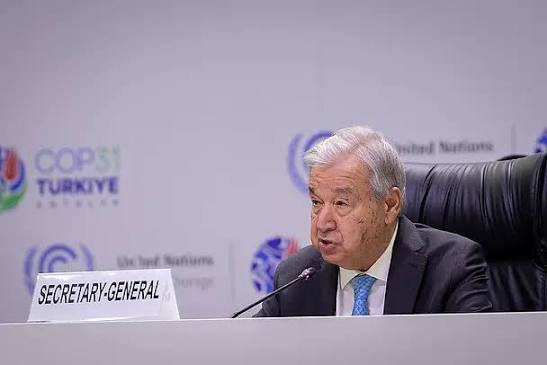
In week one, a highlight was the COP30 Presidency’s launch of the Transitioning Away from Fossil Fuels Roadmap. The UN Secretary-General Antonio Guterres underscored the importance of the roadmap, saying, “An accelerated transition away from fossil fuels is fundamental to limiting the overshoot of global temperatures above 1.5ºC and building economies that are cleaner, more secure and less exposed to shocks. This report helps to point the way forward.”
Nature is also getting attention, this time through oceans and forests. The discussions recognise the potential of ocean-based solutions and open the door to bringing oceans more firmly into UNFCCC work. Many also acknowledge the importance of the Roadmap to Halt and Reverse Deforestation and Forest Degradation by 2030.
Fernanda de Carvalho, WWF Head of Policy for Climate and Energy, said: “The first week of COP31 has given us reasons for cautious optimism. There are initial signs of political convergence around the need to respond to the 1.5°C overshoot, accelerate the energy transition, and recognize nature as an essential part of the climate response. But we need more than signals to protect people and the planet: finance, a key enabler for stronger action, is still lagging.
“Ministers arriving for week two must turn this direction into actionable decisions to close the ambition gap, deliver credible finance for developing countries, accelerate the transition away from fossil fuels, and put nature at the heart of climate action. COP31 will ultimately be judged not by the issues it puts on the table, but by whether decisions taken here can make a real difference for people and for nature.”
The discussions acknowledge that significant gaps remain across mitigation, adaptation, loss and damage, and the means of implementation, which include finance, technology and capacity-building.
WWF urges governments to turn the momentum of week one into decisions. What matters now is not which issues are on the table, but what countries commit to do.
ENDS
( Press Release Image: https://photos.webwire.com/prmedia/6/364329/364329-1.jpg )
WebWireID364329
This news content was configured by WebWire editorial staff. Linking is permitted.
News Release Distribution and Press Release Distribution Services Provided by WebWire.