

15 years of space innovation changing lives across the UK
From developing cancer drugs in orbit to robots that stop grain from spoiling, technology developed by UK space start-ups goes far beyond satellites and rockets.
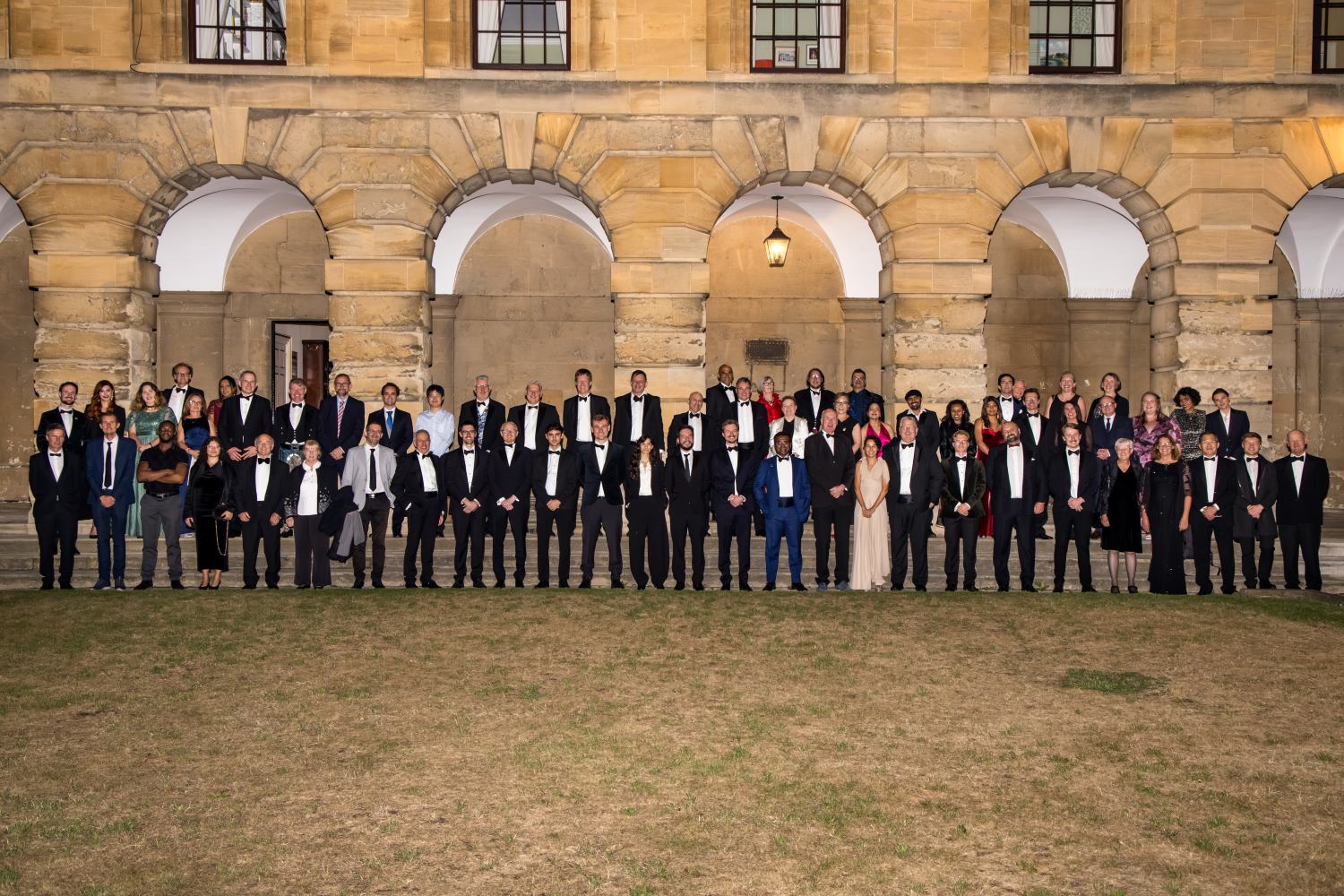
These are just two examples of innovations developed at the European Space Agency Business Incubation Centre UK (ESA BIC UK), which celebrates its 15th anniversary this year.
Since 2011, the government-backed business incubator has helped almost 180 early-stage companies turn space science into real-world solutions across the UK.
Together, these businesses have generated an estimated £486 million in economic value for the UK.
For 15 years, ESA BIC UK has supported ambitious entrepreneurs, helping them turn space science and technology into innovative new products, successful businesses and economic growth across the UK.
A new independent evaluation, published to mark the anniversary, reveals the scale of that impact since the programme began in 2011.
During this time, it has:
- supported 179 start-ups across every region of the UK
- helped create and sustain over 1,060 jobs
- generated £11 in additional economic benefit for every £1 spent
- helped alumni businesses raise £340 million in private investment
The ESA BIC UK is managed by the Science and Technology Facilities Council (STFC), in collaboration with the UK Space Agency and the University of Leicester.
Part of ESA’s successful Europe-wide network of BICs, it provides start-ups across the UK with access to research and development facilities and expertise, alongside specialist business support and funding.
Start-ups joining the programme receive over £51,000 in funding alongside mentoring, workspace and introductions to investors and customers over a two-year period.
The support helps entrepreneurs develop their ideas, strengthen their businesses and turn promising technology into products and services that can reach the market.
Paul Vernon, Executive Director of Business and Innovation at STFC, who set up the ESA BIC UK in 2011, said:
From robotics and healthcare to satellites and space infrastructure, the companies supported by ESA BIC UK show what can happen when space technology is given the opportunity to solve challenges both here on Earth and in space.
Over 15 years, we have helped ambitious businesses across the UK turn early-stage ideas into successful businesses, creating jobs, attracting investment and developing technologies with real-world potential.
As part of UK Research and Innovation, we are supporting the ambitions of the UK Government’s new National Space Strategy.
I am looking forward to continuing our mission to help the next generation of space businesses grow, seize new opportunities and make a difference across the UK.
The businesses supported by ESA BIC UK now span 17 sectors, including markets far removed from space such as tourism, logistics and financial services.
Their work shows how technologies and data developed for space can be applied to challenges far beyond the space sector.
Crover’s robotic grain monitor moves through stored grain to check temperature and moisture, helping farmers reduce spoilage and waste.
BioOrbit is developing ways to manufacture cancer medicines in microgravity, with the potential to make medicines easier to deliver at home.
IoTa Technology’s satellite-based magnetometer is helping scientists better understand changes in Earth’s magnetic field, supporting navigation systems used by ships and aircraft.
More than 95% of businesses supported by ESA BIC UK survive beyond five years, demonstrating the programme’s strong track record of supporting ambitious start-ups.
Open Cosmos joined ESA BIC UK in 2016 with five employees.
By the end of its time on the programme, it had grown to 30, launched its first satellite, secured an ESA contract and raised $7 million.
It has continued to grow, now employing more than 130 people across Europe.
During incubation, funding and business support helped the company refine its commercial strategy and expand into broader satellite mission services.
The companies supported by ESA BIC UK are not only finding new uses for space technology here on Earth, they are also developing technologies and capabilities for the UK’s space sector.
The proportion of ESA BIC UK companies developing technologies specifically for use in space has increased in recent years.
Spaceflux, for example, uses optical sensors and artificial intelligence to track satellites and space debris, to help keep space safe as more objects enter orbit.
Other ESA BIC UK companies are developing technologies for orbital manufacturing, satellite communications and propulsion, supporting capabilities that could play an important role in the UK’s future in space.
Space Minister Baroness Lloyd said:
ESA BIC UK continues to back incredible space research and innovation to improve people’s lives, from cancer medicines manufactured in microgravity to monitors preventing grain spoilage.
Their work to turn great ideas into successful businesses has so far created more than 1,000 skilled jobs while attracting hundreds of millions of pounds in private investment.
Programmes like this will continue to be vital as we deliver our new National Space Strategy and back the next generation of space businesses to start up, scale up and succeed.
Businesses joining the ESA BIC UK can be located across the UK at:
- Harwell Science and Innovation Campus
- The Royal Observatory Edinburgh
- Sci-Tech Daresbury
- Space Park Leicester
If you are a UK-registered business, less than five years old, with a demonstrable space connection, you could be eligible to join the ESA BIC UK.
Discover more on the ESA BIC UK website.
Read the full report by Technopolis at the website.
( Press Release Image: https://photos.webwire.com/prmedia/7/363121/363121-1.jpg )
WebWireID363121
This news content was configured by WebWire editorial staff. Linking is permitted.
News Release Distribution and Press Release Distribution Services Provided by WebWire.