

Cities are taking the lead on clean air
Why clean air matters
Air pollution is a global health emergency. In 2023, it claimed 7.9 million lives, making it the second leading risk factor for mortality worldwide, ahead of tobacco and poor diet. Children, older people and those with existing health conditions carry the greatest risk, and the economic toll is estimated to be USD 8.1 trillion a year in healthcare costs, hospital visits and lost working days.
But cities are proving this can change. Since signing the Clean Air Accelerator, 38 cities have expanded their air quality monitoring networks, growing from 250 PM 2.5 sensors in 2019 to more than 1,600 today. This data is helping cities go further and faster to clean our air and save thousands of lives every year.
How are cities tackling air pollution?London is cutting air pollution ahead of schedule
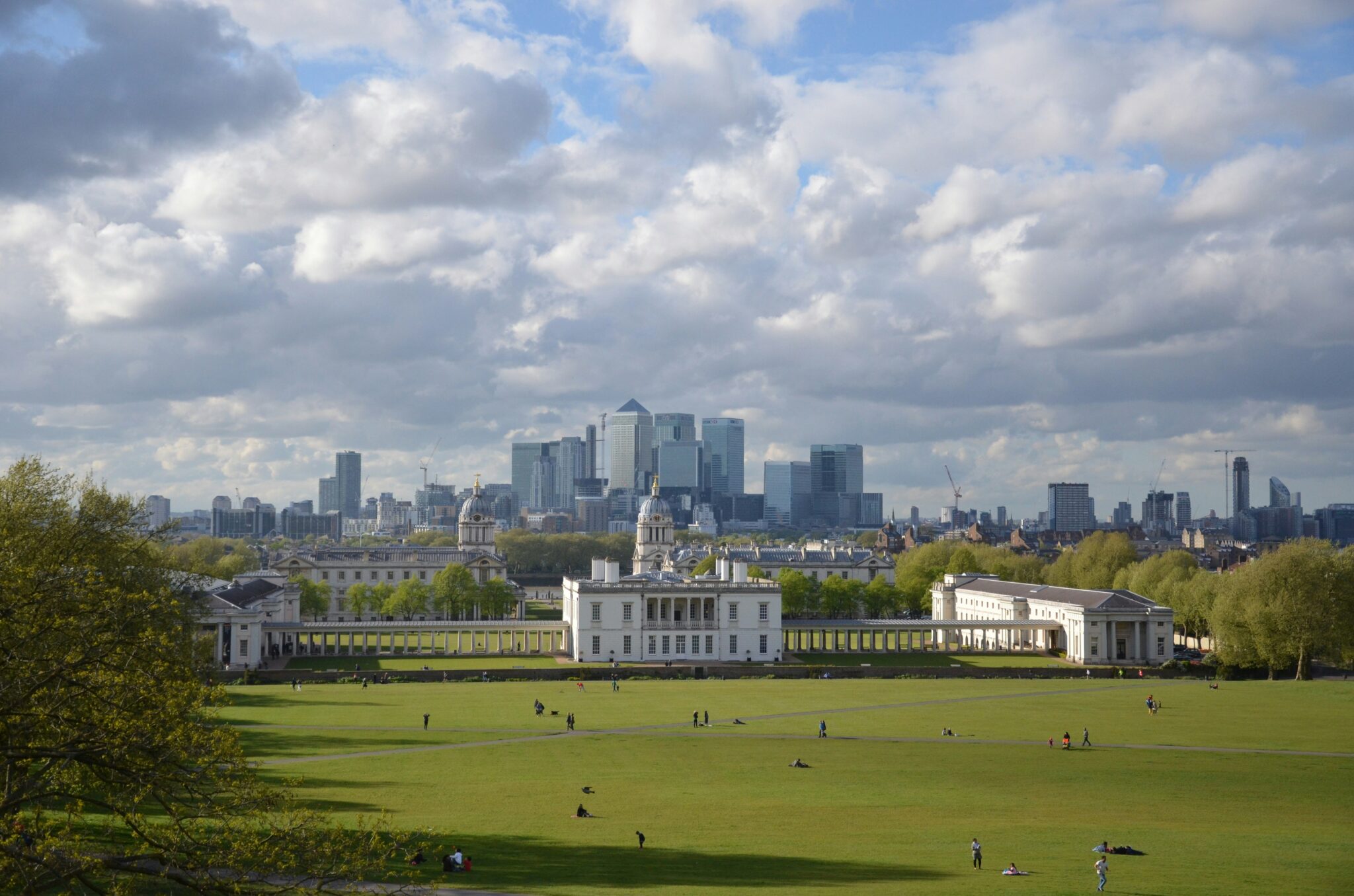
London is setting the standard for clean air action. By expanding its clean air zone across the city and enforcing tougher standards on the most polluting vehicles, London hit its legal air pollution targets in September 2025, nearly 200 years earlier than expected.
That progress is already saving lives. Research from Imperial College London in 2026 found that deaths linked to air pollution in the city fell by around 40% between 2019 and 2024. Another study from Queen Mary University of London found that children’s lungs are growing bigger and stronger since the clean air zone was introduced.
Los Angeles’ climate action plan for cleaner air
Los Angeles is leading on climate action with an ambitious new Climate Action Plan that turns bold goals into concrete action. In 2026, Mayor Karen Bass launched the city’s new Climate Action Plan, the first to include a plan for cleaner shipping, in coordination with C40’s Green Shipping Corridors Programme. The plan includes USD 200 million to help replace polluting trucks by 2028, targeting 100% zero-emission drayage trucks by 2035 and delivering more clean power for port operations by 2030.
Los Angeles is leading the way on climate action. We’ve already made L.A. coal-free, opened one of the largest solar and battery storage facilities in the country, and doubled the number of EV chargers across Los Angeles. Our new Climate Action Plan takes that progress even further– with bold, concrete action to clean our air, cut emissions, create green jobs, and build a more sustainable city. We’re not just setting goals; we’re delivering results and showing the country and the world what bold climate leadership looks like.
Mayor Karen Bass, Los Angeles
Bogotá is working to make sure everyone benefits from cleaner air. Its Plan Aire 2030 aims to bring the city’s air quality in line with World Health Organization (WHO) interim targets.
That plan is already becoming a reality: in 2025, the city’s TransMilenio bus system added 436 new electric buses with a further 269 on the way through co-financing from the national government.
Quezon City is strengthening its air quality management program anchored on an evidence-based air quality monitoring network comprising 68 sensors and a reference station across the city with daily air quality updates shared to the public.
To help achieve the city’s goal of reducing greenhouse gas emissions by 30% by 2030 and with the transport sector contributing to about 21% of the city’s greenhouse gas emissions, programs and projects on transportation and active mobility are being prioritised by the city. Notable among these is the transitioning of the city’s free bus service covering 8 routes to electric buses, which can contribute to the reduction of pollutants such as PM 2.5 and black carbon.
Enabling policies have also been enacted to reduce emissions and protect public health. The city’s Car-Free Carefree Ordinance establishes green zones and promotes active mobility, with the approach now being replicated in other areas across the city. Meanwhile, recognising the strong link between air quality and health, the “Clean Air for Schools” Ordinance mandates air quality monitoring and the maintenance of safe air quality levels within school zones. By prioritising air quality and health linkages, the ordinance helps protect children and create safer environments for other vulnerable populations.
Quezon City’s extensive air quality monitoring network generates hyperlocal data that informs the development of science-based School Suspension Guidelines for Air Pollution Episodes, enabling more timely and evidence-based decisions to protect students’ health and safety.
Clean air isn’t a distant ambition; it’s already happening. Cities are showing what’s possible when ambition meets practical action, year on year.
Discover how cities are cleaning our air( Press Release Image: https://photos.webwire.com/prmedia/7/360278/360278-1.jpg )
WebWireID360278
This news content was configured by WebWire editorial staff. Linking is permitted.
News Release Distribution and Press Release Distribution Services Provided by WebWire.