

WWF: Potential ‘super El Niño’ could trigger cascading crises for people and nature
Urgent action is critical to shield people and nature from rising risks
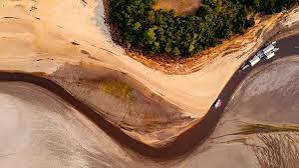
Governments, businesses and communities must urgently step up preparations for a potentially record-breaking ‘super El Niño’, or risk devastating and long-lasting impacts on people’s lives and livelihoods, WWF warned today.
This El Niño, which began in June and is expected to peak in late 2026 or early 2027, is unfolding in a world already under intense strain from extreme heat, climate shocks and growing pressure on food, water and livelihoods.
WWF says the combination of El Niño and a rapidly warming world could worsen droughts, floods and fires, disrupt food supply chains across vulnerable regions, and compound risks for communities and ecosystems on the front lines of the climate crisis.
Stephanie Roe, WWF Global Climate and Energy Lead Scientist, said: “A ‘super El Niño’ is a powerful reminder of how climate change can compound the pressures already affecting people and nature. El Niño can bring devastating climate extremes on its own, but it is unfolding today on a much warmer planet, increasing the likelihood that heat, drought, floods and fires will push communities and ecosystems beyond anything they have experienced before. Yet we are not powerless in the face of these risks. We know how to strengthen resilience, cut emissions, and protect and restore ecosystems. The decisions we make this decade will determine whether communities face crises of this scale more often in the years ahead.”
WWF warns that the consequences of a super El Niño will be felt far beyond temperature records.
Manuel Pulgar-Vidal, WWF’s Global Climate and Energy Lead, said: “The risks associated with this ‘super El Niño’ are clear and demand urgent action. Heatwaves, droughts, floods and food shortages can disrupt economies, overwhelm healthcare systems and increase political instability. As ecosystems come under pressure, the services people depend on – from food and water to livelihoods and local economies – weaken too, with vulnerable communities bearing the greatest burden.
“Governments must invest now in preparedness and resilience. The cost of acting today will be far lower than the price of responding to deeper insecurity, rising economic losses and growing instability tomorrow.”
The impacts could extend across societies and economies. Extreme heat can overwhelm healthcare systems, increase illness and mortality, and reduce workers’ ability to work safely and productively. Floods, droughts and heat stress can also disrupt food production and fisheries, increase disease risks, drive up food and commodity prices, strain water and energy systems, and damage critical infrastructure.
The greatest impacts fall on communities that have contributed least to the climate crisis but are already among the most exposed to its consequences.
According to WWF, governments cannot afford to treat these events as temporary shocks. Early warning systems, seasonal forecasts, local climate information and anticipatory action can help save lives and reduce losses. Strengthening adaptation measures today will be critical to reducing risks and protecting vulnerable communities.
But adaptation alone will not be enough. Limiting future risks will also require a rapid transition away from coal, oil and gas, alongside efforts to strengthen resilience to climate impacts already being felt around the world.
( Press Release Image: https://photos.webwire.com/prmedia/6/359449/359449-1.jpg )
WebWireID359449
This news content was configured by WebWire editorial staff. Linking is permitted.
News Release Distribution and Press Release Distribution Services Provided by WebWire.