

Restoring land, restoring life: Why healthy soils must underpin our future
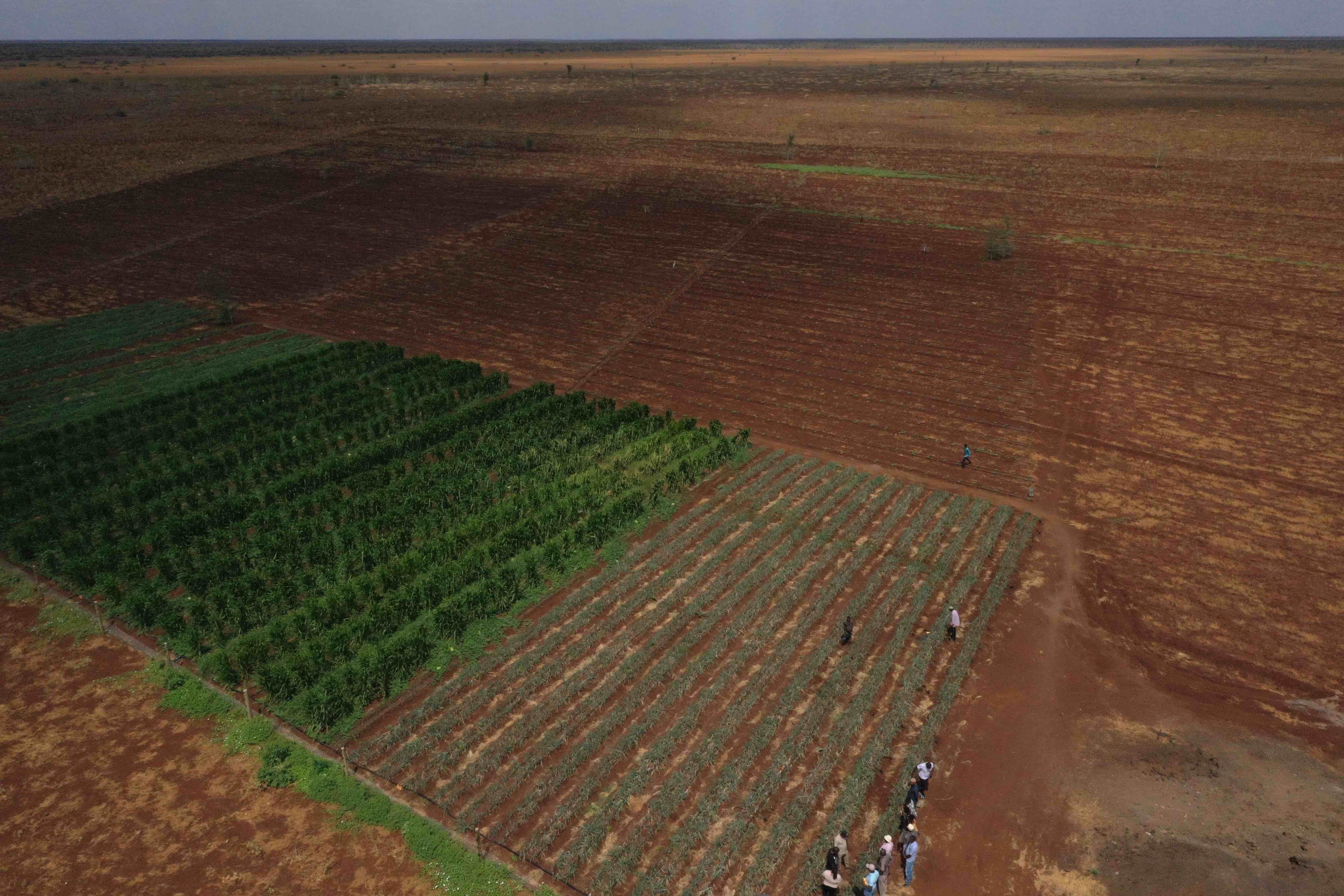
Healthy land is the quiet force behind healthy lives. It grows our food, filters our water, stores carbon and provides for plants, animals and people in many other ways.
But across the world our foundations are being weakened. Soils are being stripped of life. Grasslands are thinning. Ecosystems that once held water, carbon and biodiversity are losing their strength – and the damage is reaching our plates, economies and climate.
We have a stark choice. We can let degradation spread, or we can restore land at the scale and speed this moment demands. It is one of the clearest opportunities we have to change course and achieve food security, protect nature, cut emissions and build more resilient rural economies.
A growing crisis beneath our feet
Land degradation is no longer a distant environmental warning. Today, up to 40% of the Earth’s land is degraded, affecting billions of people and threatening roughly half of global GDP (US $44 trillion).
Particularly damaging is that one-third of the world’s soils are moderately to highly degraded, reducing agricultural productivity at a time when global food demand is rising. Without urgent action, degradation could reduce crop yields by up to 10% globally by 2050, while simultaneously undermining livelihoods for rural communities and threatening biodiversity.
In addition to storing nutrients and supporting crop growth, healthy soils also act as one of the planet’s largest carbon sinks. Globally, soils store more carbon than the atmosphere and terrestrial vegetation combined. But when land is degraded, this carbon is released, accelerating climate change. Without intervention, an additional area nearly the size of South America could become degraded by 2050, releasing an estimated 69 Gt of CO₂.
The biggest drivers and a striking opportunity
Two intertwined forces are accelerating degradation at scale:
- Unsustainable food systems: Intensive agriculture, deforestation, overgrazing and poor water management deplete soil nutrients, reduce organic matter and lead to biodiversity loss. Agriculture accounts for around 80% of deforestation, 70% of freshwater use, and is the leading driver of terrestrial biodiversity decline.
- Climate change: Rising temperatures, extreme weather, shifting rainfall patterns and droughts stress ecosystems and erode soil resilience, creating a feedback loop that amplifies land degradation.
Yet the same land-use choices that have driven this crisis can also help reverse it. Nature-positive agriculture can protect what remains, restore what has been degraded and produce food in ways that work with nature rather than against it. At its best, it limits further degradation, cuts emissions, increases carbon sinks and brings biodiversity back into productive landscapes.
Nature-positive agriculture is an umbrella term that includes many types of more sustainable production systems, such as agroecology, regenerative agriculture, and climate-smart agriculture. These terms can mean different things in different places but the goal is simple: produce food without depleting nature.
That means protecting natural habitats, sustainably managing farms, grasslands and watersheds, and rebuilding soil and water health. The benefits can be powerful. Reversing just 10% of degradation on cropland could feed an additional 154 million people every year. That is why decisions being taken now matter so much. The world still has room to change course, but the window is narrowing.
Mongolia: a landscape at a crossroads
Mongolia’s vast grasslands, among the largest intact temperate grassland ecosystems in the world, illustrate both the challenge and the opportunity.
These ecosystems support pastoral livelihoods that have been sustained for centuries. However, overgrazing, climate change, and increasing pressures on land use have led to widespread degradation across parts of the country. Harsh climatic conditions, including more frequent droughts and extreme winters, are intensifying these challenges.
Degraded grasslands lose their capacity to support livestock, store carbon, and sustain biodiversity. For herder communities, this translates directly into reduced income, increased vulnerability and growing uncertainty about the future.
Yet Mongolia is also demonstrating how restoration can work in practice.
Through a combination of community-based approaches, landscape-level planning, sustainable grazing management and biodiversity conservation, WWF and partners are showing that restoring degraded land can go hand in hand with improving livelihoods and food production.
One such initiative, the Promoting Dryland Sustainable Landscapes and Biodiversity Conservation in the Eastern Steppe of Mongolia, is working in 7.08 million hectares across the country, with sustainable grazing systems implemented with local herding communities, enabling an estimated 30–40% improvement in pasture condition.
The project has established or strengthened dozens of community herder cooperatives, directly benefiting thousands of households in the three provinces. Restoration activities are projected to sequester thousands of tonnes of CO₂ annually through improved grassland cover – supporting both climate and biodiversity outcomes.
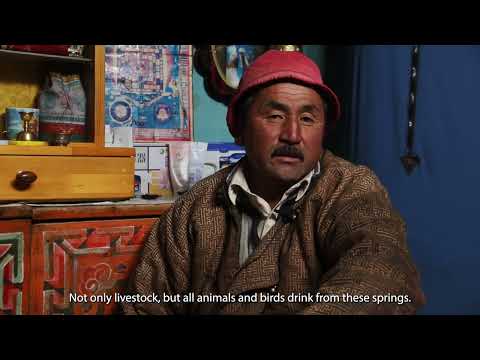
Voices from the Grasslands - Local herder highlights the importance of water in the regionA pivotal moment for global action
Mongolia will host the 2026 UN conference on Desertification and Drought (UNCCD COP17) and the practical application of solutions in the Eastern Steppe demonstrates to the global community the defining opportunity. With scaled-up investments, aligned policies and community-driven action, the potential for recovery is profound.
Land restoration stands among the most cost-effective climate solutions, offering employment, resilient food systems, healthier ecosystems and increased carbon sequestration.
From global croplands to Mongolia’s grasslands, transforming food systems and land management practices will unlock a future where people and nature flourish together.
Policymakers, business leaders and investors have a clear choice: keep treating land degradation as an environmental issue, or make restoration central to food security, climate resilience and economic stability. The future beneath our feet is still ours to shape, if we choose to restore it now.
Discover more
Food and Agriculture at WWF
Nature-positive production: The true impact of what we eat
( Press Release Image: https://photos.webwire.com/prmedia/7/356702/356702-1.jpg )
WebWireID356702
This news content was configured by WebWire editorial staff. Linking is permitted.
News Release Distribution and Press Release Distribution Services Provided by WebWire.