

As America Turns 250, General Mills Reflects on 160 Years of Shared Traditions and Milestones
How decades of food innovation shaped kitchen tables around the world.
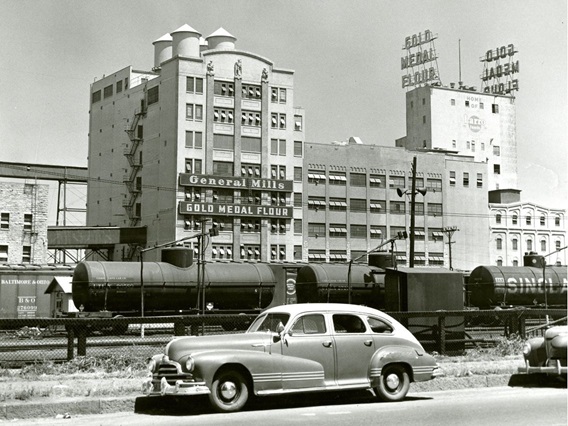
As the United States prepares to celebrate its 250th birthday, General Mills is marking its own 160 th anniversary of evolving alongside families and communities.
Founded on the Minneapolis riverfront in 1866, the Washburn Crosby Company officially became General Mills in 1928 after merging with several regional millers, establishing one of the country’s earliest food companies. Since then, General Mills’ history has been intertwined with America’s, evolving through periods of industrial expansion, wartime resilience and cultural change.
Over the last 160 years, General Mills has introduced many of the country’s favorite foods by consistently adapting to consumer needs and tastes. Today, General Mills’ brands like Gold Medal, Betty Crocker, Cheerios, Pillsbury, Nature Valley and Old El Paso are found in more than 90% of households across the country.
Let’s take a look back at the milestones that got us here.
The same spirit of innovation that drives General Mills today can be traced back to its earliest days in the flour milling industry. Founder Cadwallader Washburn helped pioneer innovations that transformed modern milling, including revolutionary new safety systems and steel roller technology following a devastating mill explosion in 1878. Rather than patenting the improvements, Washburn made the technology available across the industry, helping improve safety standards in flour mills nationwide.
The Gold Medal flour brand emerged after winning top honors at the 1880 Millers’ International Exhibition and quickly became one of the country’s best-known baking brands.
As the country entered the 20th century, General Mills expanded beyond flour to help shape how families cooked and ate at home. Betty Crocker was introduced in 1921 to answer consumers’ cooking and baking questions, quickly becoming one of the most recognized and trusted voices in American homes. Through radio programs, cookbooks, recipes and household advice, Betty Crocker became part of generations of family traditions and celebrations.
General Mills also helped define the ready-to-eat cereal category by pioneering not just new products, but new ways of reaching American families. Wheaties was an advertising trailblazer introducing the first singing radio commercial, or jingle, performed by the Wheaties Quartet on Christmas Eve in 1926. Through its sponsorship of baseball radio broadcasts, the brand coined the legendary slogan “The Breakfast of Champions,” developing a longstanding connection to American sports culture that endures to this day.
Following this success, General Mills introduced Cheerios in 1941, as a quicker alternative to oatmeal but with the same nutritional value. Under its original name, Cheerioats, the brand debuted the first female cereal mascot Cheeri O’ Leary, reflecting the era’s rise of women in the workforce. The cereal was later renamed Cheerios and went on to become one of the country’s most recognized breakfast staples.
During the Great Depression and World War II, General Mills introduced products designed to help families stretch ingredients and simplify meal preparation, including Bisquick and Betty Crocker soup mixes. The company also contributed to wartime innovation efforts, developing technology and equipment for the U.S. military while helping expand access to enriched foods and nutrition guidance for consumers.
As American lifestyles changed in the postwar decades, General Mills helped introduce products centered on convenience, portability and evolving tastes. Pillsbury refrigerated dough products and Betty Crocker cake mixes helped simplify home baking for millions of families, and brands like Cheerios, Lucky Charms, Trix and Cocoa Puffs became cultural touchstones for generations of Americans.
The 1970s to the 1990s were marked by innovations that catered to a new generation of consumers. In 1975, General Mills launched Nature Valley, pioneering the granola bar category. This new portable snack was designed specifically for increasingly active lifestyles, reflecting a focus on evolving health priorities and family routines.
Today, General Mills continues to evolve alongside changing consumer priorities, with a focus on health and wellness, organic and natural foods, sustainability, convenience and pet nutrition.
General Mills’ greatest strength has always been anticipating how consumers’ lives are changing. Brands like Annie’s, Cascadian Farm, Lärabar, La Tiara and Blue Buffalo have expanded the choices it offers consumers, while innovations such as Cheerios Protein, Annie’s Super Mac, Progresso Pitmaster and Blue Buffalo’s Love Made Fresh help meet their changing preferences.
Building a 160-year legacy also means looking beyond the kitchen table. This commitment is reflected in General Mills’ ongoing investments in sustainability and community impact initiatives. Through fiscal year 2025, 95% of General Mills packaging was designed to be recyclable or reusable by weight, and the company contributed more than $83 million in food and charitable donations globally.
This year, as General Mills and America celebrate milestone birthdays, their histories are intertwined in the role food has played in American life — bringing people together, shaping traditions and creating moments that endure across generations.
( Press Release Image: https://photos.webwire.com/prmedia/6/356391/356391-1.jpg )
WebWireID356391
This news content was configured by WebWire editorial staff. Linking is permitted.
News Release Distribution and Press Release Distribution Services Provided by WebWire.