

A cooler coast for people and pawikans
Climate change is a threat to people and sea turtles alike. With WWF’s support, a coastal city in the Philippines is tackling warming temperatures with renewable, energy-efficient solutions that complement conservation efforts.
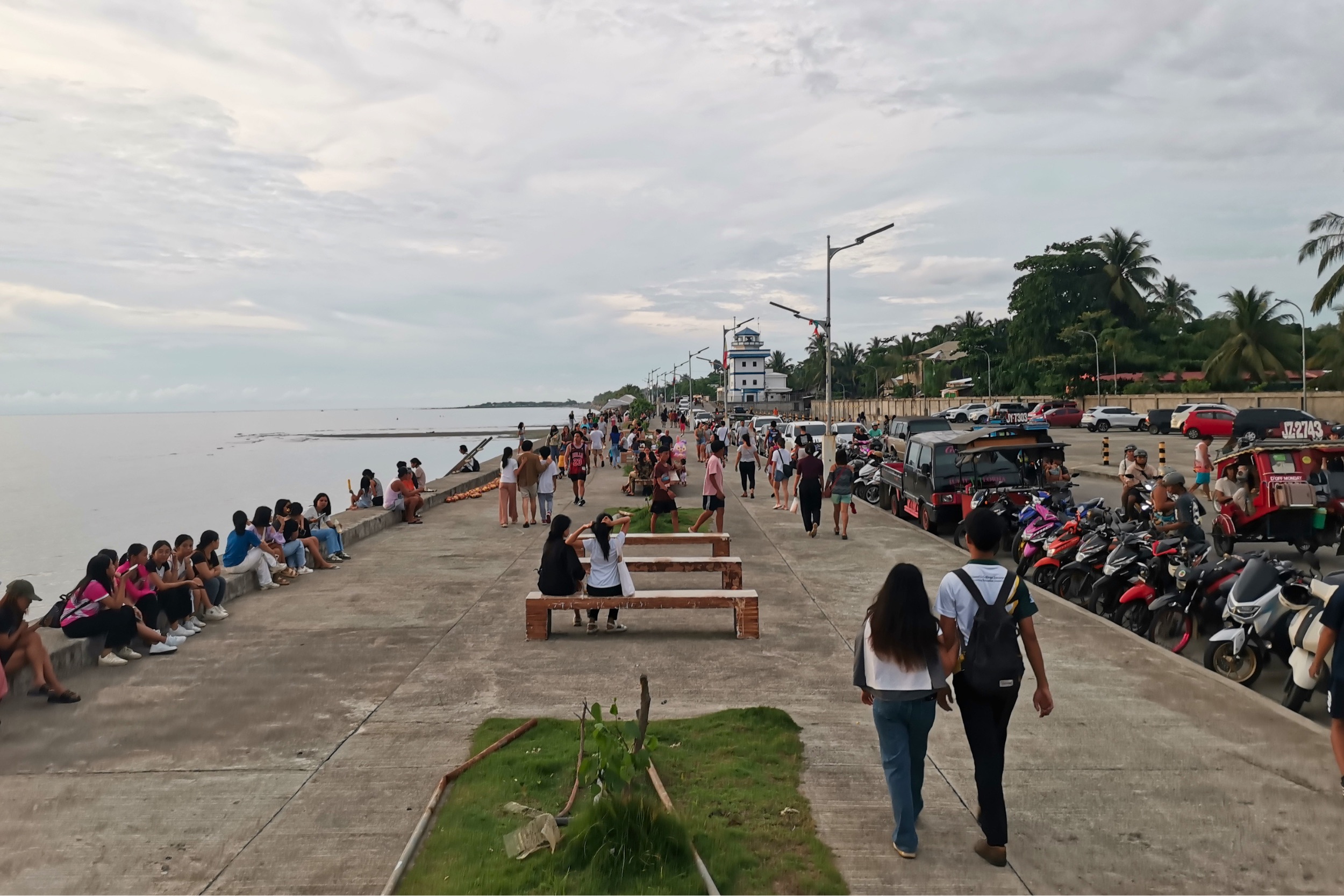
On the island of Mindanao in southern Philippines, Dipolog City’s green rolling hills overlook the blue Sulu Sea, making a home for nearly 140,000 people. The coast is the centre of city life – each evening, residents flock to Sunset Boulevard for views of the water, a pleasant sea breeze and mouthwatering street food.
The same area provides a sandy refuge for other wild visitors. Sea turtles, called “pawikans” in Filipino, visit Dipolog City’s coast to lay the next generation of eggs. Hundreds of future pawikans lie buried in carefully marked nests, awaiting their time to hatch and set off toward the sea.
But sea turtles and humans alike face a growing crisis amidst warming temperatures, extreme weather events and rising sea levels. Burning fossil fuels – the #1 driver of planet-heating carbon emissions – is to blame for our changing climate. Dipolog City officials, like Attorney Gratian Paul Tidor, are seeing the impacts in real time.
“Being a coastal city, we are prone to storm surges and extreme heat, not only during summer,” Atty. Tidor explained. “Even in rainy season now, we still have high temperatures … due to climate change, we can’t tell when it’s summer or actually rainy season.”
Atty. Tidor is Officer-in-Charge of City Environment and Natural Resources Office (CENRO) of Dipolog City. CENRO leads the city’s initiatives in environmental protection, wildlife conservation, as well as implementation of renewable energy and energy efficiency measures.
In Atty. Tidor’s work, conservation and energy are closely interlinked, as the way we power our cities directly affects our climate. Whether a city resident or sea turtle, everyone is a stakeholder of climate change – so, how can we keep the planet cool for people and nature alike?
Beating the heat with solar
The answer, according to Atty. Tidor, is transforming the way our cities use energy.
“Transitioning to renewable energy, such as solar power, can be really challenging and daunting, especially budget-wise,” he said. “But, if we think about it…the long-term benefits far outweigh its cost.”
Solar power is a win-win in the battle for a cooler planet and a cooler city. As it gets hotter, there’s more demand for power to run fans or air conditioning. If that power is generated by burning fossil fuels, that contributes directly to temperatures rising even higher – as well as costs for cooling.
“The cost of electricity is one of our main challenges in the city …” explains Atty. Tidor. “Since we experience high heat temperatures, that requires more energy on our part to cool the city, to cool households and businesses … and that puts a strain on our grid and adds up to our carbon footprint. So, that’s something that we need to address.”
Solar breaks the cycle by providing electricity while reducing the driver behind rising temperatures: carbon emissions. After initial investments, it’ll shrink the city’s electricity bill, too. The Philippines gets sunshine for free, but fossil fuels always come with a price tag – for our wallets and our planet.
Dipolog City leaders partnered with WWF to accelerate the coastal city’s energy transformation via stronger policies, outreach campaigns and capacity-building. “Through WWF, the City of Dipolog has gained a lot of insights, especially on our best practices, which we can build upon, as well as our weaknesses,” said Atty. Tidor. “It’s really helped jumpstart to a future that is low-carbon and solar-powered.”
Today, solar streetlights now light up public destinations like Dipolog Sunset Boulevard, with plans underway to solarize the city hall. The city is also prioritizing efficient ways to stay cool. Citizens are energized by these changes, helping crown their city the regional winner of a WWF contest for commitment to sustainable development and environmental stewardship.
Outdoor recreational spaces, like a lush public park called Plaza Magsaysay, encourage people to turn off their air conditioners and take in the coastal breeze.
“We invest in public green spaces such as our plaza to promote outdoor activities, so people can seek natural cooling during times when the temperature is high. So that they don’t have to rely on artificial cooling.”
Soon, part of Dipolog Sunset Boulevard will close each weekend to make room for biking, walking and playing sports. That way, residents can beat the heat while reducing their emissions. This keeps the planet cooler for everyone – including the sea turtles nesting on the same coast.
Brighter horizons for pawikans and people
In bundles of eggs beneath the sand, future pawikans face great risks amid climate change. Hotter temperatures bring stronger storms and greater coastal erosion. Rising sand temperatures drive down hatch rates. To protect sea turtles, we must address global climate pressures at the same time as local conservation threats. Sea turtles need a cool planet just as much as we do.
Renewable-driven and energy-efficient cities are a key part of the solution. They are the blueprint for mitigating climate change as well as adapting to these changes. When paired with strong conservation efforts, an energy transition can ensure people and nature thrive for years to come.
On the path to a better future, little miracles in Dipolog City light the way. Alongside their energy investments, Atty. Tidor’s office has doubled down on coastal conservation efforts. Amidst harming fishing practices and abundant waste, no marine turtles had been seen laying eggs on the city’s shore for 20 years. Then, that changed.
After implementing stronger regulations and management efforts on the coast, the first turtle reappeared to lay her eggs in 2023. Many more have followed.
“On average, we have hatched more than a thousand in a single pawikan season,” says Atty. Tidor. “That’s more than 10 nests protected annually in the coastal stretch of Dipolog City.”
By combining environmental protection with a renewable energy transition, Dipolog City is demonstrating how climate action and conservation can reinforce one another. They’ll contribute to a planet where we slow down warming and speed up access to sustainable, affordable electricity. As cities around the world follow their lead, a cooler future for all is within reach.
Crowned the regional winner of WWF’s 2024 We Love Cities Competition and national winner of the 2022 One Planet City Challenge, Dipolog City and WWF-Philippines are close collaborators working to boldly reduce the city’s emissions. Through the Energizing Communities and Conservation (ECCo) programme, this partnership expanded to solar power and energy efficiency implementation in three urban centres around the country – bringing together government partners, private sector businesses and other key stakeholders for a “Cool and Solar” Philippines.
( Press Release Image: https://photos.webwire.com/prmedia/7/356329/356329-1.jpg )
WebWireID356329
This news content was configured by WebWire editorial staff. Linking is permitted.
News Release Distribution and Press Release Distribution Services Provided by WebWire.