

810 million women still not using mobile internet in low- and middle-income countries, compared to 595 million men
Persistent barriers such as those related to affordability, skills and safety concerns continue to limit women’s digital inclusion in low- and middle-income countries
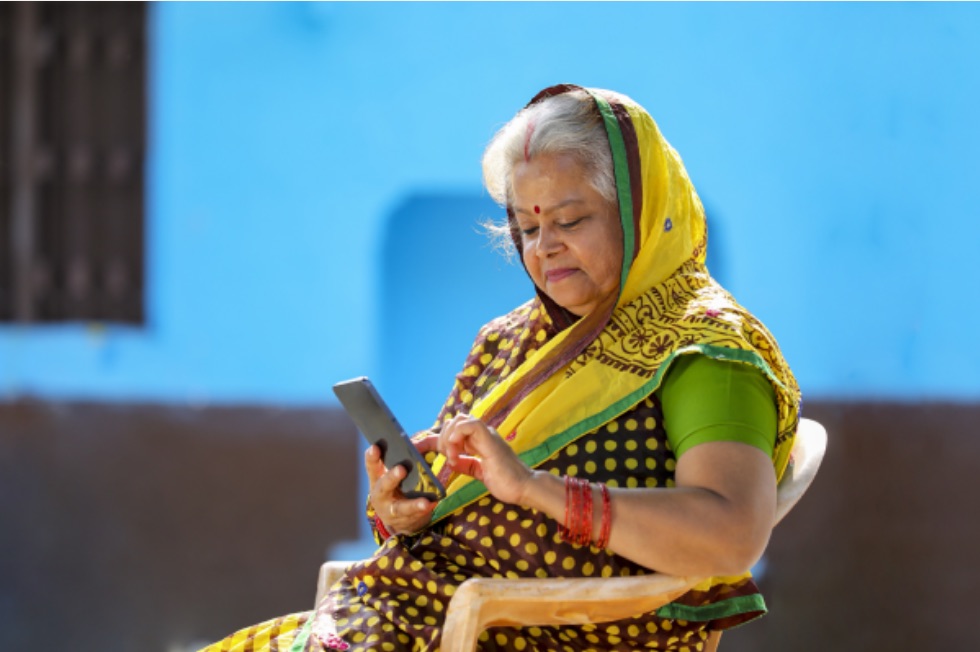
The gender gap in mobile internet adoption narrowed slightly in 2025 according to the ‘Mobile Gender Gap Report 2026,’ published by the GSMA. However, progress remains slow and uneven. Women across low- and middle-income countries (LMICs) are still 12% less likely to use mobile internet than men. This translates to 200 million fewer women than men, with the total figure for women not using mobile internet in LMICs sitting at 810 million.
The ninth edition of the GSMA report examines data on women’s access to and use of mobile across LMICs, the barriers they face, and how these findings compare to men. It also shares recommendations for how to close the mobile gender gap and get women online, which is vital to support their livelihoods, access to essential services, and ability to achieve their economic potential.
Geographic disparities persist
Of the 810 million women still not using mobile internet in LMICs, more than two thirds live in Sub-Saharan Africa and South Asia, the regions with the widest gender gaps in mobile internet adoption, at 26% and 25%, respectively. The gender gap also tends to be two to three times wider in rural areas compared to urban areas across LMICs, particularly in Sub-Saharan Africa, South Asia, and the Middle East and North Africa. Least developed countries and landlocked developing countries also suffer from wider gender gaps in mobile internet adoption.
Barriers to getting online
The primary way people in LMICs access the internet is via mobile phones. Yet the gender gap in smartphone ownership in LMICs is 13%, which equates to around 210 million fewer women than men owning smartphones in these countries, making it challenging for women to access the internet.
Despite awareness of mobile internet remaining high and almost equal among men and women, several barriers to adoption remain. The top reported barriers are affordability (primarily of handsets) and literacy and digital skills. Women are disproportionality affected by these barriers, feeling them more acutely due to social norms and structural inequalities such as lower education and income.
Even once women are online, they often face barriers to using mobile internet as frequently and for as many use cases as men. Women’s top reported barriers to further use are safety and security concerns, affordability (particularly data but also handsets) and, to some extent, the connectivity experience. These barriers prevent women from reaping the full benefits of mobile internet to improve their lives.
Claire Sibthorpe, Head of Digital Inclusion at the GSMA, said, “While there has been a slow narrowing of the mobile gender gap since 2022, much more is needed to address the persistent and significant gender gaps in mobile internet adoption and use. We live in an increasingly digital world and the proliferation of technologies such as AI are creating greater digital divides and inequities, elevating the need to ensure digital inclusion for all.
“Addressing the barriers that limit women’s access to and use of mobile internet is crucial. There is an urgent need to accelerate the pace of progress that has been made to date, which requires informed, targeted action and investment by all stakeholders working together to realise the significant social and commercial benefits to women, societies and economies of addressing the mobile gender gap.”
Closing the mobile gender gap
Over the eight years from 2023 to 2030, closing the gender gap in mobile internet adoption in LMICs could add $1.3 trillion in additional GDP, and closing the gender gap in mobile ownership and use in LMICs could deliver $230 billion in additional revenue to the mobile industry. Access to mobile internet can also transform women’s lives, giving them greater resilience in the face of economic, climate and political crises and shocks, as well as access to digital services to improve their livelihoods.
With strengthened collaboration across government, industry and the development community, progress towards closing the mobile gender gap can be accelerated. With targeted and sustained intervention to improve the affordability of handsets and data, expand digital skills and literacy programmes, address safety and security concerns, design mobile products and services to meet women’s needs, and tackle social norms and structural inequalities, the international community can ensure women are not left behind in an increasingly digital world.
Progress in this area is already being made through the GSMA Connected Women Commitment Initiative. More than 50 mobile operators have committed to formal targets to accelerate women’s digital and financial inclusion, reaching over 90 million additional women with mobile internet or mobile money services since 2016.
Notes to Editors
The Mobile Gender Gap Report 2026 is funded by the UK Foreign, Commonwealth and Development Office (FCDO) and the Swedish International Development Cooperation Agency (Sida) via the GSMA Mobile for Development Foundation, with research funded in part by the GSMA as well as the Gates Foundation.
About the GSMA
The GSMA is a global organisation unifying the mobile ecosystem to discover, develop and deliver innovation foundational to positive business environments and societal change. Our vision is to unlock the full power of connectivity so that people, industry, and society thrive. Representing mobile operators and organisations across the mobile ecosystem and adjacent industries, the GSMA delivers for its members across three broad pillars: Connectivity for Good, Industry Services and Solutions, and Outreach. This activity includes advancing policy, tackling today’s biggest societal challenges, underpinning the technology and interoperability that make mobile work, and providing the world’s largest platform to convene the mobile ecosystem at the MWC and M360 series of events.
We invite you to find out more at gsma.com
About GSMA Connected Women
The GSMA’s Connected Women programme works with mobile operators and their partners to address the barriers to women accessing and using mobile internet and mobile money services. Connected Women aims to reduce the gender gap in mobile internet and mobile money services and unlock significant commercial opportunities for the mobile industry and socio-economic benefits for women.
For more information, please visit www.gsma.com/connectedwomen
Media Contact
GSMA Press Office
pressoffice@gsma.com
( Press Release Image: https://photos.webwire.com/prmedia/7/356099/356099-1.jpg )
WebWireID356099
This news content was configured by WebWire editorial staff. Linking is permitted.
News Release Distribution and Press Release Distribution Services Provided by WebWire.