

From reaction to prevention: using remittances to act before climate crises hit
A new initiative by the H&M Foundation and Mercy Corps and co-funded by global financial technology platform, Adyen, is testing how early-warning systems can trigger remittances before climate disasters strike.
By focusing greater effort on what can be done before a crisis occurs, we can ensure resources are mobilised for preparation, not just response.
Climate-related disasters are increasing in frequency and intensity, placing growing pressure on communities and humanitarian systems. At the same time, 50% of crises are predictable but only 1% of aid is currently issued before disasters strike. Evidence shows that timely support can reduce food insecurity and limit harmful coping strategies, while every dollar invested in disaster mitigation can save up to six dollars in avoided losses.
While early-warning systems have improved significantly, a critical gap remains between prediction and action. As part of its Disaster Management work, H&M Foundation is supporting a new initiative to test how existing financial systems can be used differently, helping move resources earlier, when they can have the greatest impact.
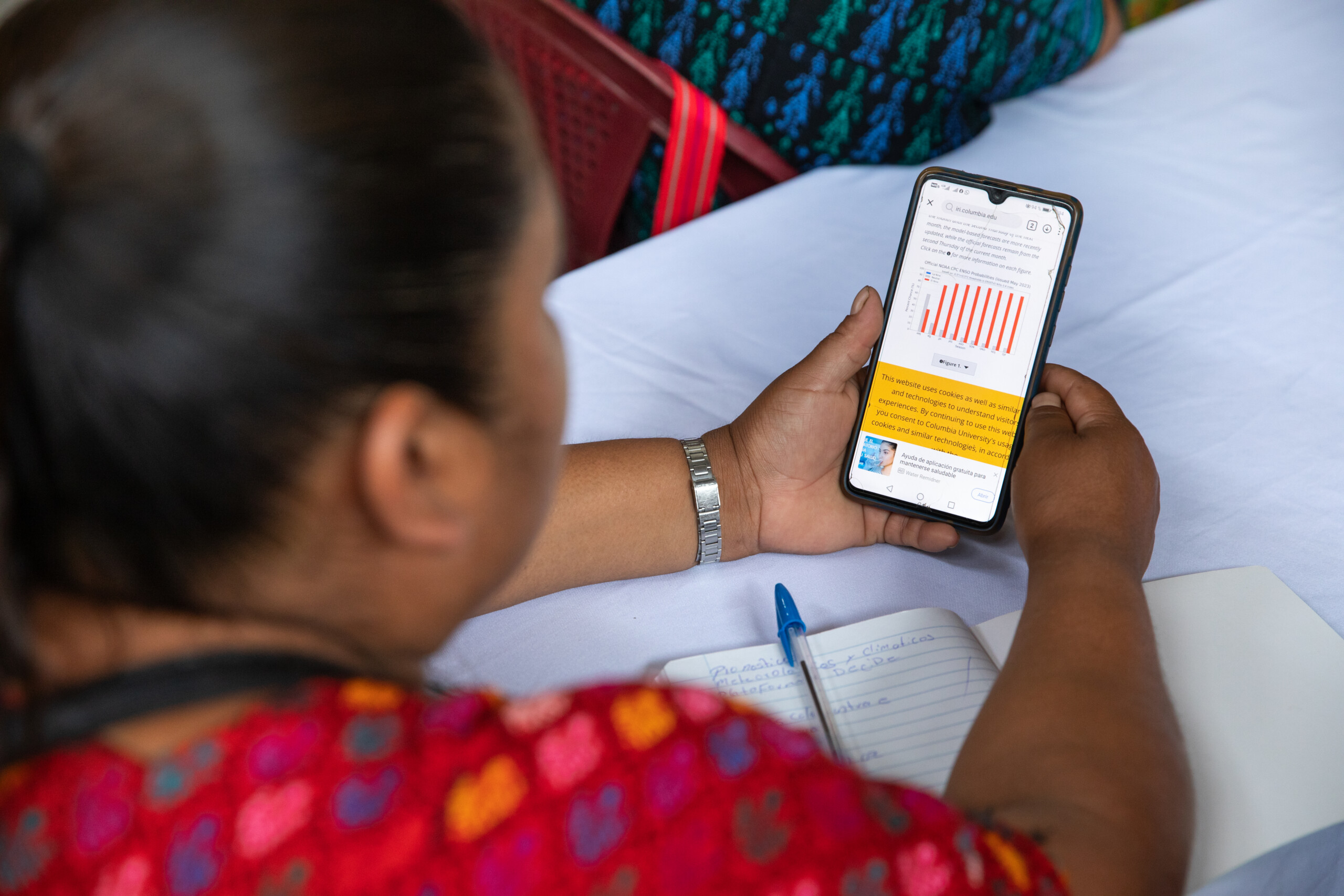
With funding of SEK 4 million (USD 430,500), the global humanitarian and development organisation Mercy Corps is connecting forecasts directly to financial action. The approach builds on existing remittance networks used daily by millions of families. When early-warning systems detect an approaching risk, such as hurricanes, remittance senders receive a notification encouraging them to transfer money immediately. The funds move through existing channels but arrive ahead of the crisis, giving households time to secure food, protect assets, reinforce homes or prepare to evacuate.
“Acting before disaster strikes can make all the difference for families facing climate shocks. When people receive support early, they have more choices, more control, and a better chance to protect what matters most. Early cash assistance helps families buy food, water, and medicine, strengthen their homes, move livestock to safety, or evacuate before conditions worsen. Getting support to families sooner saves lives, reduces the need for larger humanitarian responses later, and helps people prepare with dignity and resilience,” says Alma Bezares Calderon, Senior Researcher at Mercy Corps.
When people receive support early, they have more choices, more control, and a better chance to protect what matters most
Alma Bezares Calderon, Senior Researcher at Mercy Corps
“The question isn’t whether disasters can be predicted, but whether we act in time. If we can move money earlier, we can change outcomes, not just respond to them. That way we can help communities prepare and protect what matters most” says Kristina Svartling, Project Manager at H&M Foundation.
Launching a new mechanism to enable shared impact at scale
The collaboration establishes a new funding model for shared impact. By co-investing alongside the H&M Foundation, Adyen leverages its unique position to channel private capital into anticipatory action, effectively addressing the structural funding gap in an area traditionally dominated by humanitarian aid. This partnership is designed to accelerate how private capital can enable scalable, lasting impact.
“This partnership is an example of a new way of enabling impact throughout our broader network, showing how private sector capital and global financial infrastructure can be leveraged to create a ‘multiplier effect’ for good,” commented Morgan De Santo, Global Impact Programs Manager at Adyen. “By focusing greater effort on what can be done before a crisis occurs, we can ensure resources are mobilised for preparation, not just response, helping organisations such as Mercy Corps to focus on ensuring aid goes further and where it is most needed.”
By focusing greater effort on what can be done before a crisis occurs, we can ensure resources are mobilised for preparation, not just response.
Morgan De Santo, Global Impact Programs Manager at Adyen
From local action to system change
The initiative will reach up to 400,000 remittance senders in the US with families in Guatemala and Colombia. Mercy Corps also works with climate adaptation in local communities to strengthen their ability to act on early warnings, ensuring that earlier access to funds leads to meaningful action. Engaging governments and institutions to integrate anticipatory approaches into disaster planning is also an important part of the initiative.
Building evidence for scale
A core objective of the initiative is to understand whether linking early-warning systems to remittances changes behaviour and outcomes. The project will assess if earlier financial support leads to improved preparedness and reduced losses, and under what conditions the model can be expanded to other contexts. Parts of the funding supports Mercy Corps in exploring expansion beyond Guatemala and Colombia. If successful, the model could reshape how communities prepare for climate shocks using existing financial systems to act earlier, not just respond later.
( Press Release Image: https://photos.webwire.com/prmedia/7/355684/355684-1.jpg )
WebWireID355684
This news content was configured by WebWire editorial staff. Linking is permitted.
News Release Distribution and Press Release Distribution Services Provided by WebWire.