

Three insights reshaping climate communication
Research shows that awareness of climate change has never been higher, yet engagement remains fragile. To bridge that gap, the H&M Foundation partnered with New Zero World to explore how communication can become a genuine driver of climate action. Drawing on findings from this collaboration, this article shares three insights for communicators seeking to inspire climate action.
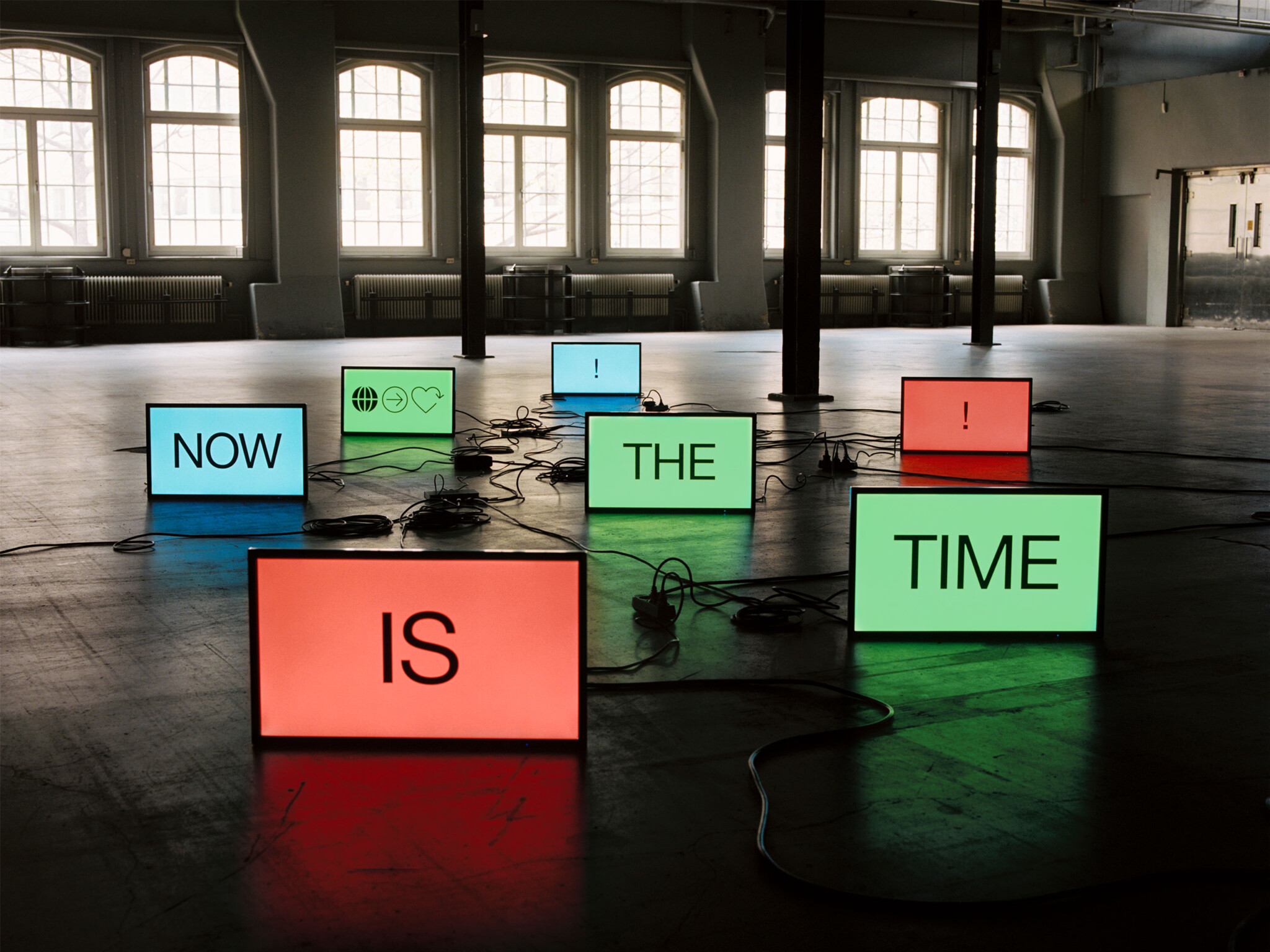
Many people are already experiencing the impacts of climate change firsthand, yet there remains a gap between awareness and meaningful engagement.
Supported by a SEK 2 million donation from the H&M Foundation, New Zero World explored how culture, communication and creativity can help turn climate awareness into action. The work resulted in two key resources – Pop Culture: Bursting the Climate Communications Bubble and the Content Creators’ Climate Toolkit, created for communicators and content creators.
“One thing that genuinely surprised me in these resources was how strongly they highlight the role people and culture play in shaping the way we engage with and communicate about climate change”, says Natalia Vega-Tracy, Founder of New Zero World. “Entertainment and storytelling are playing an increasingly powerful role. Together, they shape people’s understanding of climate change – often more effectively than traditional scientific or policy messaging.”
The Pop Culture report found that 42% of people feel they are being lectured about climate change, 56% cannot confidently explain what “net zero” means and 52% feel powerless to make a difference.
Expert-led, top-down messages can unintentionally signal exclusion: “this is not for you”. Credibility grows when organisations and communicators “learn out loud” – showing what is known and what is still being tested. Research from A New Era in Climate Communications, another New Zero World report, shows that moral pressure and doom-heavy narratives often lead to paralysis rather than action.
Communication that centres lived experience and peer voices over institutional language is more likely to be trusted and heard. For example, the #VoteLikeAMadre campaign reframed climate action as a personal promise to protect children’s futures, anchoring the issue in identity and care rather than abstract data.
For communicators, transparency is now the currency of trust – authenticity built through honesty rather than authority.
Climate is often presented as a standalone issue rather than woven into everyday life and values. When framed as an abstract global issue, it competes – and usually loses – against immediate concerns like cost of living, health and belonging. Research shows that even mentioning “climate” as the headline can reduce engagement, while stories that link it to familiar themes – fashion, sport, food, culture – open doors to new audiences.
When sustainable behaviour is shown rather than explained, audiences absorb new norms without feeling instructed.
The Pop Culture report describes how cultural meanings become part of everyday life. In entertainment and lifestyle media, when characters make choices that reflect new norms – without it being a “statement” – audiences register those behaviours as normal. If a character rents an outfit or shops second-hand without making a statement of it, viewers absorb that choice as part of everyday life.
For communicators, the opportunity lies in integration: treat climate as context, not content. Make sustainable choices visible, desirable and normal.
Fear grabs attention but rarely sustains engagement. The Content Creators’ Climate Toolkit evaluation found that many influencers and creators avoid climate topics because they fear being judged or “getting it wrong” – not because they don’t care. Audiences value openness and respond better when creators share what they’re learning and admit trade-offs rather than present polished certainty.
In an age of scrutiny, over-produced confidence can backfire, fuelling accusations of greenwashing.
Creators who replaced fear with hope saw stronger engagement. Content creator Michael Mezzatesta shared that he moved away from angry, critical posts to content pairing critique with a hopeful vision of the future – keeping his audience open rather than overwhelmed.
Communicators can normalise progress instead of perfection, showing that collective action matters more than flawless individual behaviour.
Climate communication works best when it’s honest, human and hopeful. The tools are here. Now it’s up to us communicators to rethink how we communicate, what stories we choose to tell, and how we can turn awareness into action.
These insights matter right now because climate communication is at a turning point. Many people are already experiencing the impacts of climate change firsthand, yet there remains a gap between awareness and meaningful engagement. By connecting climate change to people’s everyday lives – especially their health, wellbeing, and the stories they already consume through pop culture – these approaches can make the issue feel more immediate, relatable, and actionable.
Natalia Vega-Tracy
( Press Release Image: https://photos.webwire.com/prmedia/7/352170/352170-1.jpg )
WebWireID352170
This news content was configured by WebWire editorial staff. Linking is permitted.
News Release Distribution and Press Release Distribution Services Provided by WebWire.