

Two new discoveries in the North Sea
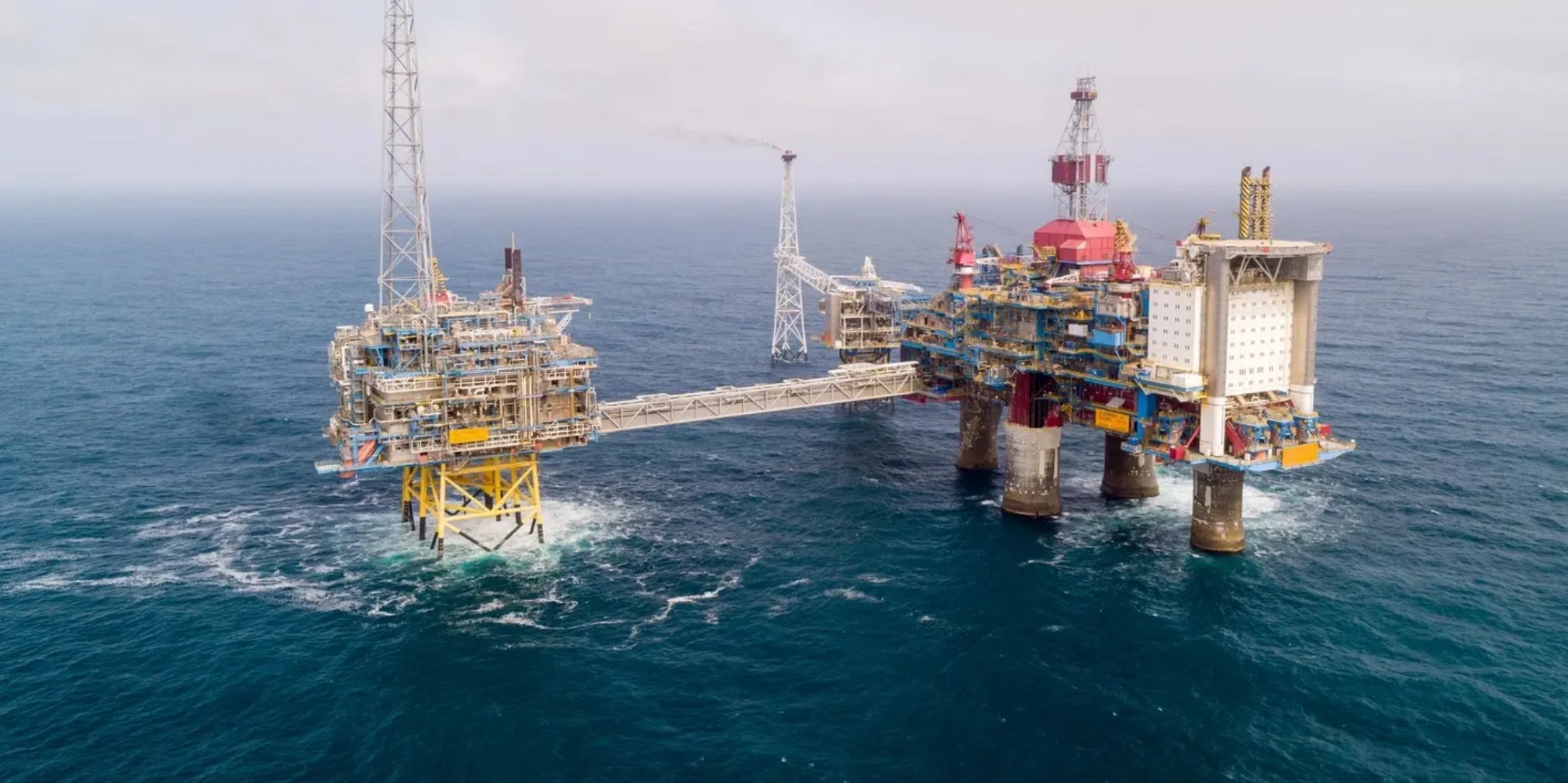
Equinor has discovered oil in the Troll area and gas and condensate in the Sleipner area. Both discoveries are considered commercial and were made in areas with well-developed infrastructure for export to Europe.
The Byrding C discovery was made five kilometres northwest of the Fram field in the Troll area and is estimated to contain 4–8 million barrels of recoverable oil.
The Frida Kahlo discovery was drilled from the Sleipner B platform. The well is located northwest of the Sleipner Vest field and is estimated to contain 5–9 million barrels of oil equivalent of gas and condensate. The well will be brought on stream as early as April.
Discovery in the Troll area
Since 2018, Equinor has participated in the drilling of 26 exploration wells in the extended Troll area, which also includes Fram. Nineteen discoveries have been made, giving a discovery rate of more than 70 percent.
“Near-field discoveries like these are important to maintain high energy deliveries from the Norwegian continental shelf going forward. The oil discovered in Byrding C will be produced using existing or future infrastructure in the area. We are working together with our licensees to identify good area solutions,” says Lill H. Brusdal, vice president for exploration and production in the Troll area.
Discoveries in the Sleipner area
The four most recent exploration wells in the Sleipner area have all proven gas and condensate, with combined estimated resources of 55–140 million barrels of oil equivalent. The four discoveries were made over a three-month period and include Lofn, Langemann, Sissel and Frida Kahlo. Lofn and Langemann together represented the largest Equinor-operated discovery on the Norwegian continental shelf in 2025.
“These discoveries are the result of a targeted exploration effort in the Sleipner area. Sleipner is an important hub for gas exports to Europe, and we must do everything we can to identify the remaining resources in the area. The discoveries give grounds for optimism as we plan to drill three additional exploration wells and two new production wells in the area this year,” says Cecilie Rønning, vice president for exploration and production in the Sleipner area.
Sleipner is a mature area where the largest volumes have already been produced. The fields in the area therefore depend on new discoveries to maintain profitable production and extend their lifetime. Several years ago, an ambitious exploration programme was established for the area, including the acquisition of new data and improved seismic methods.
The use of Ocean Bottom Node (OBN) seismic, 4D seismic, and reprocessing of existing data has provided a new and improved understanding of the subsurface on the Norwegian continental shelf and has contributed to exploration success in both the Sleipner and Troll areas.
• Byrding C was drilled by the COSL Innovator rig. The discovery was made in exploration well 35/11-32 S in production licence 090 HS. Partners are: Equinor Energy AS (75%) and INPEX Idemitsu Norge AS (25%).
• The Frida Kahlo discovery was made in production licence 046 (the Sleipner licence). Partners are: Equinor Energy AS (58.3%), Orlen Upstream Norway AS (24.4%) and Vår Energi (17.2%).
• The Lofn and Langemann discoveries were made in production licence 1140 together with partner Aker BP and were announced in December 2025.
• The Sissel discovery was made in production licence 1137 together with partner Orlen Upstream Norway. The discovery was announced in January this year.
• All the Sleipner discoveries were made in the Hugin formation. All discoveries are considered commercial, although estimated volumes still vary.
• The plan for the Frida Kahlo discovery, drilled from the Sleipner B platform, is to bring the well on stream during April.
• The Lofn, Langemann and Sissel discoveries are planned to be developed as subsea tie-backs to existing infrastructure, with the aim of bringing them on stream within two to three years.
• The OBN seismic was delivered by TGS and Axxis and processed by Viridien. The 4D seismic covering the Sleipner area was acquired for the Sleipner Vest Unit partnership and processed by TGS (PGS).
• The Sleipner field complex includes the gas and condensate fields Sleipner Øst, Gungne and Sleipner Vest.
• In addition, the Sleipner installations process hydrocarbons from the tied-in fields Sigyn, Utgard, Gudrun and Gina Krog.
• Sleipner is an important transport and gas hub, delivering dry gas to Europe, while unstable oil is transported to Kårstø for further processing and export.
• Sleipner also functions as a hub for gas from Kollsnes and Nyhamna, which is transported onward to Draupner, Zeebrugge and Easington.
• The Troll field is developed with the platforms Troll A, B and C.
• The Fram field is located 20 kilometres north of Troll and is developed with two subsea templates tied back to Troll C.
• Both fields are part of what is referred to as the extended Troll area.
• The Troll field contains about 40 percent of the total gas reserves on the Norwegian continental shelf, making it a cornerstone of Norwegian gas production.
( Press Release Image: https://photos.webwire.com/prmedia/7/351778/351778-1.jpg )
WebWireID351778
This news content was configured by WebWire editorial staff. Linking is permitted.
News Release Distribution and Press Release Distribution Services Provided by WebWire.