

January 2026: The month when the rains would not stop
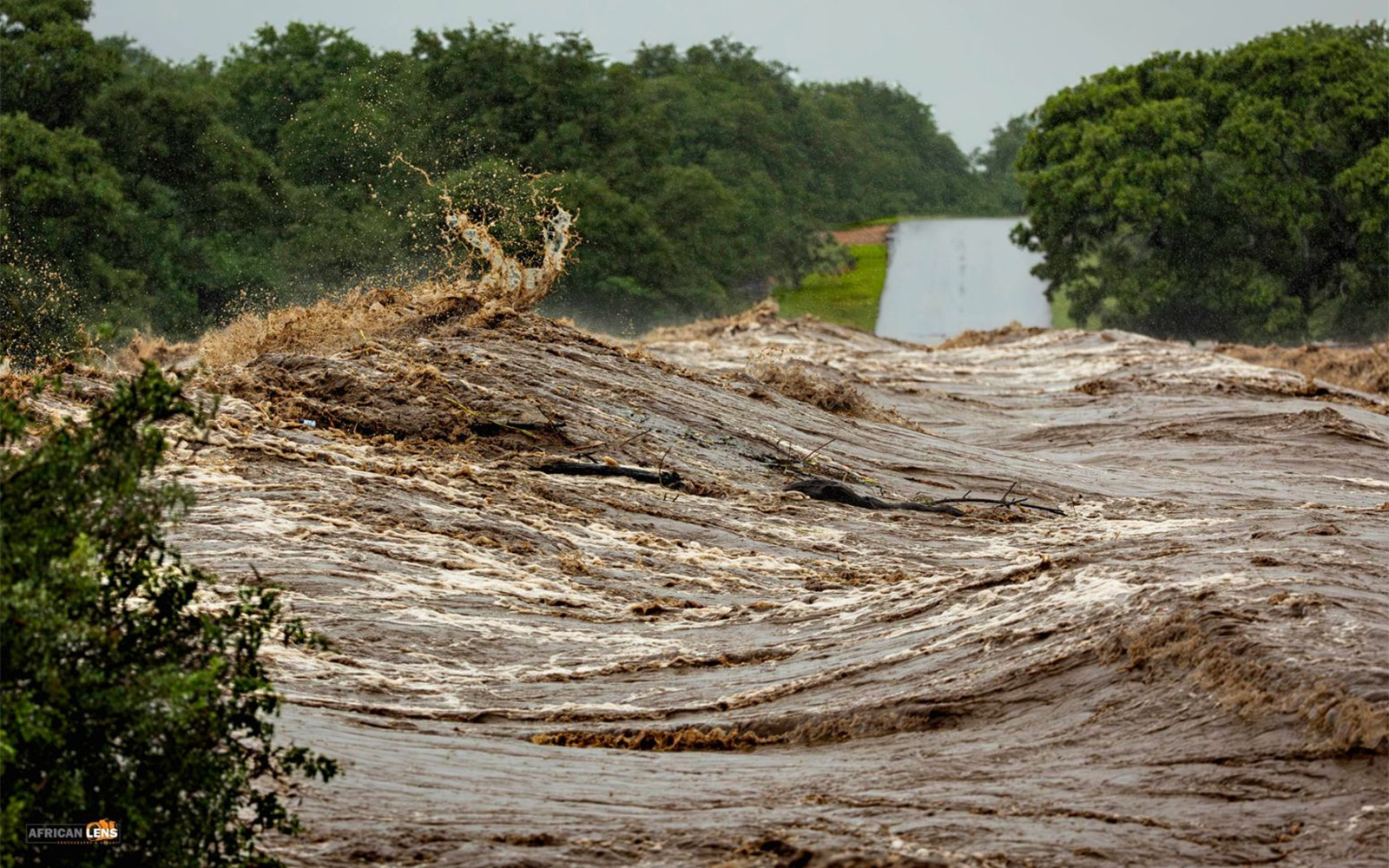
January 2026 began with water everywhere. Across southern Africa, Europe and parts of North Africa, rivers burst their banks. Roads vanished. Homes flooded. Camps were cut off.
Scientists say this kind of heavy, slow-moving rain is more likely in a hotter world.
A warmer atmosphere holds more moisture. When storms stall, they can dump huge volumes of rain in a short time. Climate scientists have warned for years that global warming will load the dice toward heavier downpours.
In January 2026, that warning felt real.
The flooding was not limited to one country, or even one continet.
In southern Africa - South Africa, Mozambique and Zimbabwe - intense rainfall linked to a mix of La Niña conditions, high exposure and climate change led to devastating floods across parts of southern Africa, according to a World Weather Attribution report published in January.
Some areas recorded a year’s worth of rain in just 10 days. Rivers overflowed. Hundreds of thousands of people were displaced, and hundreds died. The report said climate change made the rainfall in southern Africa up to 40% more intense than it would have been in a cooler climate.
Other parts of the world were not spared either. Spain and Portugal saw record winter rainfall. In some regions, a year’s rain fell in just a few weeks. Towns flooded. Roads collapsed. People were evacuated. Tunisia and other parts of North Africa also experienced heavy seasonal rains and flooding. In some areas, rainfall reached levels not seen in decades.
The BBC, citing the UK’s Met Office reported that parts of Scotland and Northern Ireland saw more than four times their expected rainfall for that time of year. Some areas in south-west England had rain every day of January and early February.
Across continents, one message was clear: extreme rainfall is becoming more common. Scientists link this to rising global temperatures and higher levels of moisture in the air.
Kruger National Park: when the rivers turned violentIn South Africa, the global pattern hit one of Africa’s largest protected areas: the Kruger National Park, which will celebrate its centenary in May.
The iconic park borders Mozambique and Zimbabwe and attracts millions of visitors every year. But in January 2026, parts of it shut down, and tourists hurriedly evacuated. The normally calm Letaba, Sabie and Olifants rivers turned fast and brown, washing away nutrient rich soil, flooding roads and bridges, flooding camps. This was more than a weather event. It was a test of how ready we are for a warmer world.
The Kruger National Park generates a significant portion of the revenue needed to sustain all other national parks in South Africa, meaning that losses here echo across the entire protected-area network. When visitor numbers fall and infrastructure is hit, the impact threatens not only tourism jobs but also the conservation programmes those revenues support. Kruger itself is an economic pillar in South Africa’s tourism sector, supporting thousands of livelihoods that are not at risk as the park confronts months - and possibly years - of recovery.
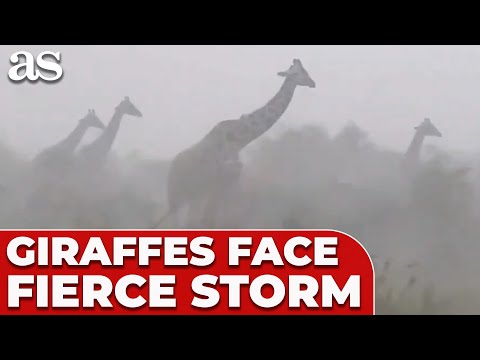
Kruger is home 147 species of large mammals. They instinctively react when danger rises. Despite the scale of the flooding, park officials said most wildlife survived the worst of it, by moving to higher ground.
But survival did not mean no impact.
Dramatic video footage captured by safari guide Ian Shoebotham showed a baby elephant struggling in fast-moving floodwater before its mother pushed it to safety. Other footage showed crocodiles and large animals shifting out of flooded zones. Some moved closer to human areas as they searched for dry ground.
These scenes showed instinct at work. They also showed stress. When habitats flood, territories shift. Predator and prey patterns can change. Young animals face higher risks. Wildlife moves into new areas. This can increase human-wildlife conflict and competition. Flooding does not always kill animals outright, and some freshwater species and habitats can benefit from seasonal flooding. But excessive flooding - such as experienced in January this year in the Kruger National Park - can change how and where they live.
The floods did not just move animals. They reshaped land. Major rivers inside and around Kruger overflowed. Floodplains were submerged. Riverbanks eroded. Vegetation was flattened. Riparian zones - the rich strips of life along rivers - are some of the most biodiverse areas in the park. They provide food, nesting sites, and shelter. When they flood beyond normal levels, plant communities can be uprooted or buried. Recovery can take months. Sometimes years.
Park and disaster response summaries said some rivers reached their highest recorded levels. Campgrounds were inundated. Access roads were cut off. Infrastructure damage is expected to take years and large sums of money to repair.
When roads and bridges wash away, rangers and scientists cannot reach parts of the park. Monitoring wildlife becomes harder. Habitat assessments are delayed. Conservation work slows. Lives and livelihoods were lost, with ReliefWeb reporting that more than 1.3 million people were affected across southern Africa. The estimated cost of infrastructure damage and loss of income in the Kruger National Park alone could be as much as ZAR 650 million (US$40 million), according to Willie Aucamp, South African Minister of Forestry, Fisheries and Environment.
But the biological story continues long after the waters fall.
Climate change does not create every storm. But it changes the odds. Here is what scientists understand:
- A warmer atmosphere holds more water vapour.
- More water vapour means heavier rainfall when storms develop.
- Warmer oceans can feed stronger and wetter weather systems.
- Events that were once rare become more frequent or more intense.
Attribution studies in southern Africa suggest that climate change increased the intensity of the January 2026 rainfall. What might once have been an unusual flood is now part of a new pattern.
James Reeler, WWF-South Africa Senior Climate Specialist, wrote recently in the Daily Maverick that South Africa is especially vulnerable to climate change. Climate models project longer droughts in the west of the country, and more intense rainfall in the east of the country.
“There is no returning to the climates of yesteryear,” he wrote. “We can expect chaotic impacts like this to be the baseline for future climate norms.” His warning is stark. Without deep cuts to carbon emissions, extreme events like this are likely to worsen.
The Kruger National Park is a biodiversity stronghold. It supports wildlife, research, and local economies. When floods close camps and damage roads, the economic impact is real. But the deeper story is ecological. Extreme floods can:
- Alter vegetation patterns.
- Disrupt breeding cycles.
- Change predator-prey balance.
- Increase disease risks in waterlogged areas.
- Fragment habitats when infrastructure is damaged.
Globally, scientists are seeing more evidence that extreme flooding is not just a water problem. It is a biological crisis. It reshapes habitats. It shifts species. It tests resilience.
The flooding in the Kruger this year fits this pattern.
January 2026 was a warning. From Spain to Tunisia, from Scotland to South Africa. Rivers rose in a world that is getting warmer. In the Kruger National Park, wildlife survived. But survival is different from stability.
As temperatures rise, extreme rainfall events are likely to grow stronger. Protected areas built around predictable seasons may face more shocks.
The lesson is simple. Climate change is no longer a distant threat. It is shaping rivers, parks, and wildlife now.
“If there has ever been a time to focus the mind, it is now,” Reeler wrote. “These losses and disruptions are but a small taste of what lies ahead if we do not take control of runaway carbon emissions.”
WWF works globally to help conserve the natural ecosystems that play a vital role in mitigating disasters cause of weather or earth movements like floods, droughts, storms and tidal surges, wildfires, soil erosion, desertification and landslides. We also address the climate crisis in a variety of ways. From encouraging governments to implement more ambitious climate policies, to supporting the transition away from fossil fuels and the scaling up of renewable energy, to working with cities, businesses and communities to a create climate-resilient, net-zero future.
Climate Impacts: Extreme weather is our new reality
WWF Climate & Energy
( Press Release Image: https://photos.webwire.com/prmedia/7/351440/351440-1.jpg )
WebWireID351440
This news content was configured by WebWire editorial staff. Linking is permitted.
News Release Distribution and Press Release Distribution Services Provided by WebWire.